1. Introduction to IIoT
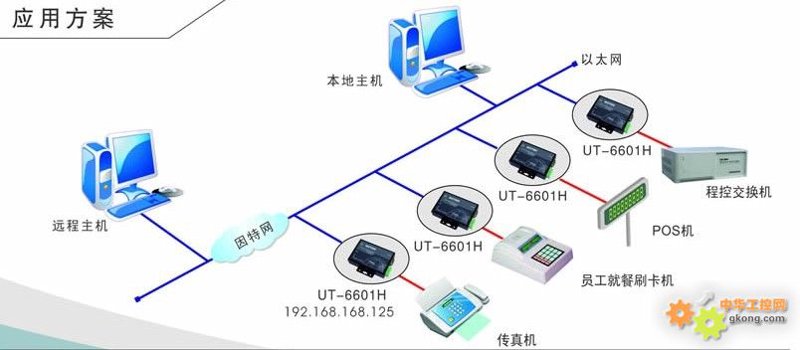
Industrial Internet of Things, or IIoT for short, refers to the use of internet-connected devices and sensors in industrial settings to collect data and improve efficiency.
2. Key Terminology Explained
- Smart Sensors: These are devices that can measure physical properties such as temperature, pressure, and humidity and transmit this information over a network.
- Data Collection Platforms: These platforms receive data from smart sensors and process it for analysis. They include cloud-based services and on-premise solutions.
3. IIoT vs IoT: What's the Difference?
- Advantages of IIoT: Increased operational efficiency, predictive maintenance, improved product quality.
- Disadvantages of IIoT: High initial investment, complex implementation, data security concerns.
Industrial IoT offers significant benefits for industries by enhancing operational efficiency and providing valuable insights through real-time data analysis. However, it also presents challenges that need to be addressed carefully.
4. Conclusion: The Future of IIoT
The future of Industrial Internet of Things looks promising as more companies recognize the potential for improved productivity and innovation. As technology advances, we can expect even more sophisticated applications in various industries.